For years, Steph and Margie talked about a different kind of retirement.
One that traded schedules for sunsets, meetings for morning sails, and stress for life on the water.
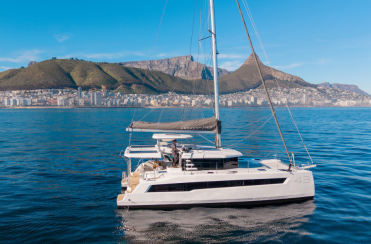
After nearly a decade of planning, learning, researching, and saving, that dream became reality aboard their Leopard 40, SV Thick Chick.
One year after taking delivery of their catamaran, the retired educator and retired Army Medical Officer had already logged more than 5,000 nautical miles, earned multiple sailing certifications, explored the Bahamas, and immersed themselves in the liveaboard lifestyle.
In this edition of Ask a Leopard Owner, Steph and Margie share how they made the transition, what they’ve learned during their first year aboard, and why the Leopard 40 has proven to be the perfect boat for their cruising plans.
From Army Boots and Classrooms to Boat Life
The dream of living aboard didn’t happen overnight.
After retiring from the Army, Margie and Steph relocated to Key West, where they spent several years learning local waters aboard a 26-foot powerboat.
At the time, they weren’t quite ready to move aboard a cruising catamaran.
Instead, they focused on gaining experience, understanding life on the ocean, and refining their long-term goals.
“We spent years going to boat shows and dreaming about this lifestyle.”
Initially, they expected to purchase a powerboat.
That changed after a weeklong sailing trip to Dry Tortugas.
“The first time the wind filled the sails and the engines shut off, that was it.”
They were hooked.
Creating a Five-Year Plan
Rather than rushing into cruising, Steph and Margie approached the transition methodically.
Drawing from their professional backgrounds, they created a flexible five-year plan that broke the journey into manageable steps.
The first year focused on:
- Learning the boat’s systems
- Completing sailing education
- Training themselves and their pets for life aboard
- Building confidence close to support resources and services
Future phases included expanding throughout the Caribbean, refining their sailing skills, and eventually transiting the Panama Canal.
“You can’t set rigid timelines in cruising. Flexibility is part of the plan.”
Why They Chose the Leopard 40
Like many buyers, Steph and Margie toured numerous boats before purchasing.
Interestingly, they originally thought they needed something larger.
“We were looking at 45- and 48-foot boats before we walked across a Leopard 40.”
The moment they stepped aboard, they realized it offered exactly what they needed.
The Forward Cockpit
One feature stood above the rest.
“The front door and forward cockpit completely sold us.”
While cruising the Bahamas, they routinely opened the forward door and large sliding panels to create natural airflow throughout the boat.
The result?
“We never turned on the air conditioning once.”
Visibility
As active cruisers who spend significant time underway, visibility matters.
The raised helm position provides excellent sightlines while maneuvering and sailing.
Smart Layout
The Leopard 40’s large windows, open living spaces, and efficient design also appealed to the couple.
“Everything feels bright, open, and practical.”
For Steph and Margie, the Leopard 40 struck the ideal balance between comfort, manageability, and capability.
For sailors exploring today’s Leopard sailing catamaran lineup, learn more about the Leopard 43.
Learning to Sail on Their Own Boat
One of the more unique aspects of their story is that they purchased the boat before completing formal sailing instruction.
After closing on the Leopard 40, they hired experienced captains and instructors, completed ASA certifications, and gained hands-on experience aboard their own vessel.
Over the course of the year, they completed:
- ASA 101
- ASA 103
- ASA 104
- ASA 114
- ASA Coastal Navigation training
They also accumulated more than 5,000 nautical miles of practical experience.
“There is no single right way to learn, but getting quality instruction is incredibly important.”
Lessons Learned During Their First Year
Learn to Live Smaller
Transitioning from a house to a boat requires intentional downsizing.
“Every item has to justify its place aboard.”
Multi-purpose appliances quickly became favorites while unnecessary items were left behind.
Trust Your Intuition
Time on the water has taught them that intuition matters.
Weather decisions, departure timing, maintenance concerns, and route planning often begin with paying attention to those small warning signs.
“If something doesn’t feel right, we stop and listen to that feeling.”
Communication Is Everything
Life aboard demands strong communication.
Whether discussing docking plans, sail handling, weather forecasts, or daily routines, clear communication helps prevent unnecessary stress.
One simple upgrade made a huge difference.
Headsets
For months they resisted using communication headsets during docking because they felt experienced sailors shouldn’t need them.
Eventually they tried them.
“Once we could hear each other clearly, everything became easier.”
Favorite Upgrades
Like many owners, Steph and Margie customized their Leopard 40 to better support long-term cruising.
A few upgrades have become indispensable.
Solar and Lithium Batteries
Their system includes:
- 1,200 watts of solar
- 900 amp-hours of lithium battery capacity
“We never worry about power.”
Reliable energy allows them to comfortably spend extended periods away from marinas.
Watermaker
A watermaker quickly became essential.
“You don’t realize how much water matters until you’re living aboard.”
The ability to produce fresh water dramatically increased their independence.
Water Filtration
An upgraded filtration system improved drinking water quality and reduced dependence on bottled water.
Dive Equipment
Both passionate divers, they also added equipment that helps support their underwater adventures throughout the Bahamas and Caribbean.
Cruising With Two Dogs and a Pirate Cat
Life aboard includes two miniature schnauzers and a one-eyed rescue cat named Ripley.
Adjusting pets to life aboard required patience and planning.
One of their biggest challenges was teaching the dogs to relieve themselves on a designated patch of synthetic grass installed on the trampoline.
“Eventually they figured it out and now it makes life much easier.”
The pets each have dedicated spaces aboard and have adapted surprisingly well to living at sea.
Their advice for other pet owners?
“Research, plan ahead, and be patient.”
Favorite Places They’ve Explored
Over their first year aboard, Steph and Margie discovered several destinations that left lasting impressions.
Lee Stocking Island, Bahamas
Their favorite anchorage was Lee Stocking Island in the Exumas.
Known for its abandoned marine research facilities, beautiful water, and fascinating history, it became one of the highlights of their cruising season.
Flamingo Cay
Another standout destination was Flamingo Cay in the Ragged Islands.
Quiet anchorages, pristine waters, excellent snorkeling, and unforgettable sunsets made it one of their favorite spots in the Bahamas.
Advice for Future Cruisers
When asked what advice they would give prospective owners, Steph and Margie don’t hesitate.
“Don’t procrastinate.”
Dreams require planning, but they also require action.
“You can be afraid, but don’t let fear make the decisions.”
Their recommendation is simple:
- Make a plan
- Learn continuously
- Ask questions
- Find good mentors
- Embrace flexibility
Most importantly, they encourage future cruisers to focus on the style of cruising they want before selecting a boat.
“Know your plans and buy the boat that fits those plans.”
After a decade of preparation and thousands of miles under their keels, Steph and Margie have no regrets.
Their Leopard 40 didn’t just help them start cruising.
It helped them create the lifestyle they had dreamed about for years.
More Ask a Leopard Owner Stories
For more firsthand cruising stories, owner experiences, and advice from Leopard owners around the world, visit the Ask a Leopard Owner hub.